
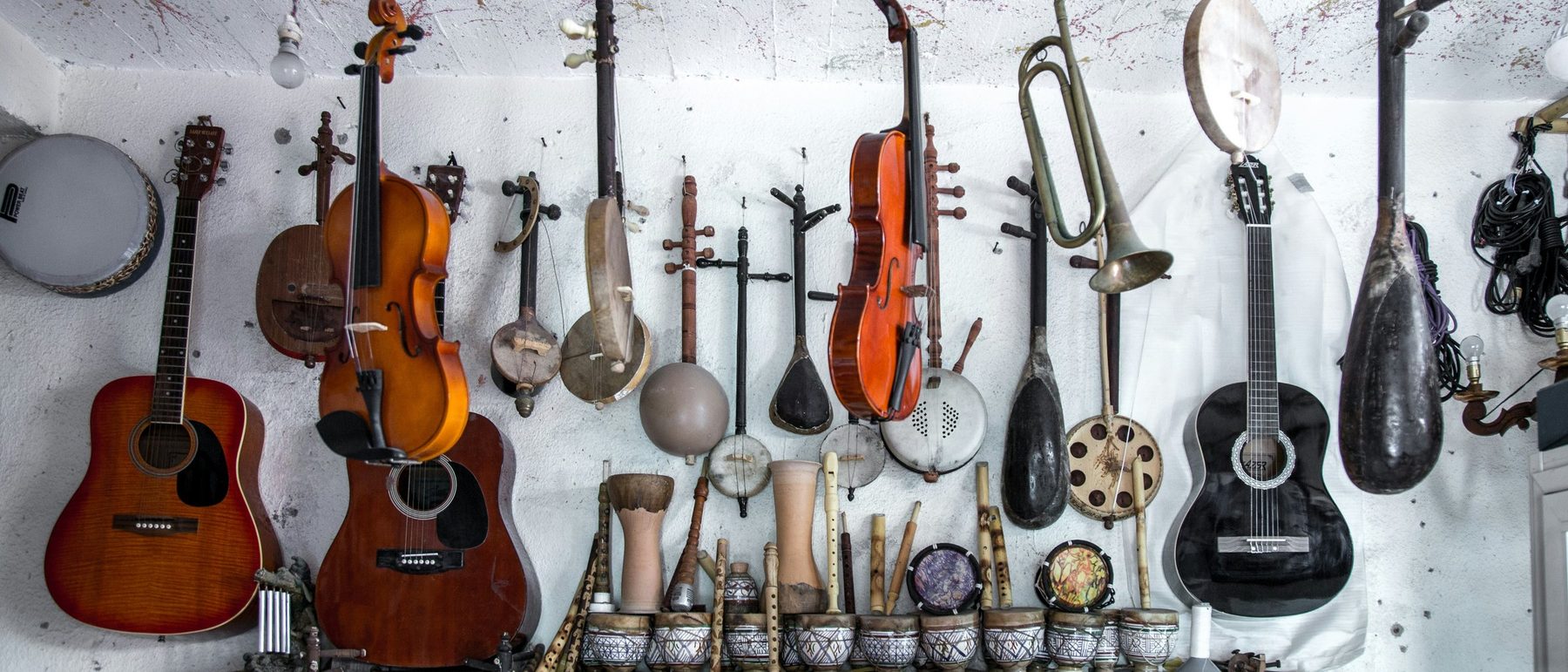
Musical Instruments Appraisals
Stringed instruments, guitars, pianos, and brass — for insurance, estate, and donation.
Personal property valuation is not a state-licensed activity. These assignments are performed as desk appraisals from photographs and documentation, which means NextPhase accepts them anywhere in the United States and internationally.
What drives the number
Maker, period, and originality drive instrument value, and repairs that seem minor to an owner can be decisive. Vintage guitars in particular are heavily penalised for refinishing and non-original parts, which a general appraiser routinely misses.
Commonly appraised
- Vintage and collectible guitars
- Violins, violas, and cellos
- Pianos, upright and grand
- Brass and woodwind
- Amplifiers and period electronics
- Bows and accessories
What we'll need from you
- Photographs of the full instrument, label or headstock, and serial number
- Maker, model, and approximate year
- Any repair, refinish, or replacement part history
- Cases, certificates, and prior appraisals
- Playing condition and setup notes
Where originality is material and cannot be established from photographs, physical inspection may be recommended. We will say so before you commit.
What actually moves the number
Every asset class has its own small number of factors that do most of the work. For musical instruments they are these, and they are the reason a general-purpose valuation and a considered one can be so far apart.
For guitars: originality down to the solder
Refinished, refretted, replaced tuners, replaced pickups, a repaired headstock. On vintage instruments each of these is a specific, quantified deduction, and a headstock repair in particular is a large one. Original case and case candy contribute more than owners expect.
For bowed instruments: attribution and the label problem
The label inside a violin is not evidence of who made it — labels naming famous makers were printed by the million on ordinary trade instruments and were never intended to deceive anyone. Attribution rests on construction, varnish, arching and outline, and where it is uncertain the report says so rather than repeating the label.
Condition on instruments is functional, not cosmetic
Cracks, a sunken top, a lifting bridge, neck angle, fret wear, a warped neck. These affect both playability and value, and several are invisible in a photograph taken from the front. It is why particular photographs get requested.
Player instruments and collector instruments are different markets
A fine modern instrument with no collector interest can be worth more to a player than a battered old one with a name, or very much less. Which market applies is a question the appraisal answers explicitly, because it selects the comparables.
Who reads the finished report
Donations to schools and conservatories are common here and go to the IRS with a specific description. Insurers want replacement cost for an instrument that a working musician needs replaced quickly. Estates want fair market value. Where an instrument is being donated to an institution that will actually play it, the intended use and the market level are worth getting right the first time.
How the fee gets set
Instruments price per instrument, because each is an individual analysis. A school band's worth of student instruments is quoted as a group; three vintage guitars are three assignments. Where a luthier's inspection would change the conclusion, that is said before the work starts.
What arrived
Photographs of an electric guitar, front and back, plus the headstock, the serial number and the original case.
What was asked for next
The control cavity with the cover off, and the neck pocket. That is where originality of the electronics and the date stamps live, and neither is visible from outside.
What those showed
Original potentiometers with date codes consistent with the serial number, and one replaced pickup — correct type, wrong period.
How it was reported
Valued as an original instrument with one non-original pickup, the deduction stated explicitly and separately, and the original case valued as a contributing component rather than folded silently into the total.
Three things that cost people money
All three are done with good intentions, usually by someone trying to help. They are worth knowing whoever you end up hiring.
- Restoring before valuing
A refinish or a refret on a vintage instrument is a permanent deduction, and a well-intentioned setup can involve both. Do nothing before somebody has looked.
- Believing the label in a violin
It is the single most common misunderstanding in this category, and it leads to genuine disappointment. Ordinary trade instruments carrying famous names are enormously common and were sold openly as such.
- Discarding the original case
For several classes of vintage instrument the original case is a real component of value, and it is routinely thrown out during a house clearance as the least valuable-looking thing present.

Machinery & Equipment
A tractor, a CNC cell, an imaging suite or a whole facility inventory is personal property too, and it is usually worth more than everything else in the estate combined. Same appraiser, same standard, its own schedule of comparables.
| Scope | Typical fee |
|---|---|
| 1 item or lot | $75 – $150 |
| 2–10 items | $125 – $250 |
| 11–50 items | $200 – $400 |
| 50+ items / full contents | quoted per engagement |
Related personal property assets
Questions about musical instruments
Do I need to ship the instrument?
No. Photographs and information are enough for most assignments, which is also the safest outcome — shipping a fragile instrument for a valuation introduces a risk that the valuation does not justify.
Can you tell me who made my violin?
The report states an attribution and the evidence for it, and where the evidence does not support a maker it says that. Formal authentication of a significant bowed instrument is a specialist discipline with its own experts, and you will be referred rather than guessed at.
What if the instrument is unplayable?
It is still appraisable. Condition and required repair are described and reflected in the conclusion, and for some collector instruments an unrestored condition is preferable to a repaired one.
Is a school instrument worth appraising?
For a donation over the reporting threshold, yes — and groups of student instruments are commonly donated to programmes. Below that threshold you will be told honestly whether it is worth the fee.
Ready for a number you can defend?
Tell us what you have and what it's for. You get a fixed written quote — never an hourly meter, never a sales call.
What the work actually looks like
Real assignments, client details removed — what each engagement actually turned on, rather than how it felt.
A house, a workshop of machine tools, a forty-year firearms collection and a stake in the family company — four disciplines that three appraisers had only partly covered. One engagement, one effective date, one set of assumptions.
A donation the regulations would have aggregated past the appraisal threshold, which the donor had assessed item by item. One qualified appraisal covering the group, itemized, signed inside the window the regulations allow.
An opposing report whose number was not obviously wrong — which is what made it dangerous. It failed on its own certification, and was answered section by section with an independent valuation to the correct definition of value.