
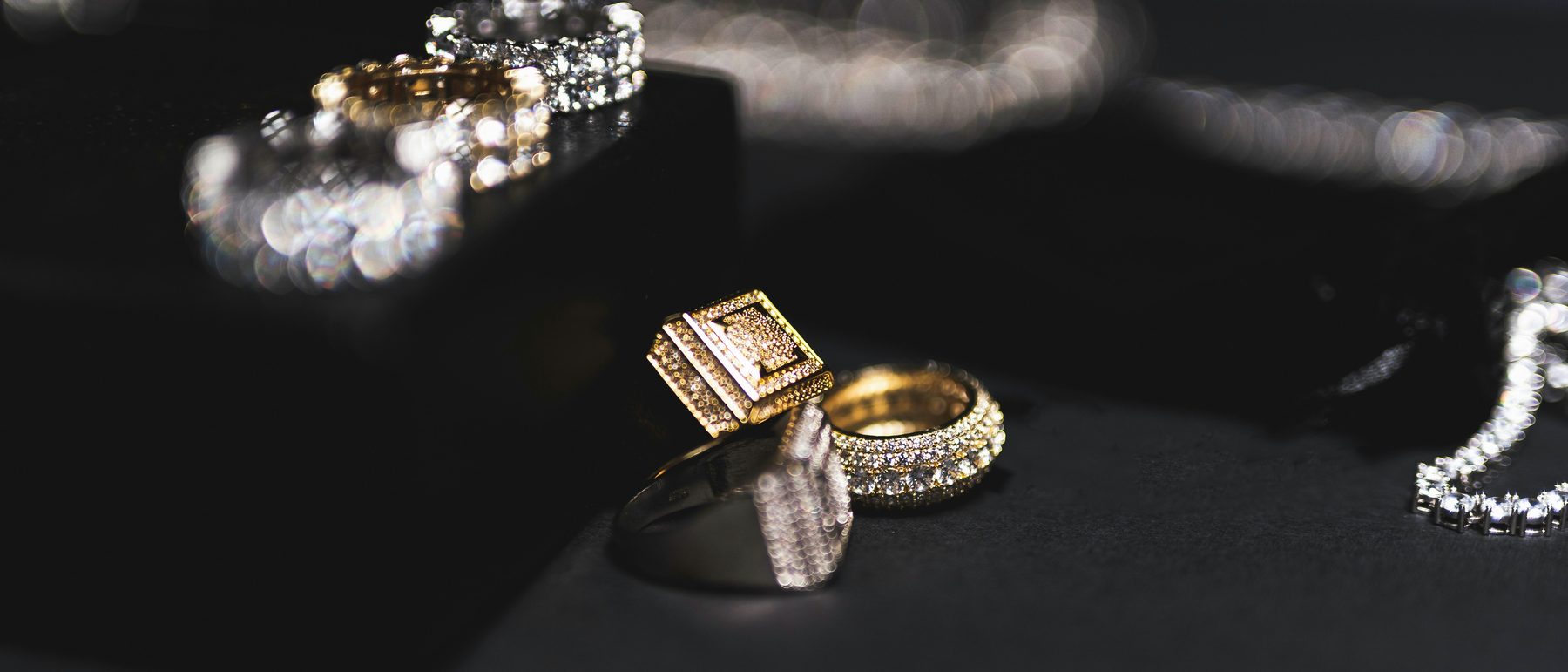
Jewelry & Watches Appraisals
Fine jewelry, loose stones, and timepieces for insurance scheduling, estate, and division.
This practice is machinery, equipment, business inventory, firearms, antiques and full household contents. Jewelry and watches are identified, described and scheduled when they form part of an estate or contents assignment — but a standalone valuation belongs with an independent gemologist, and anything of real value is referred to one whose finding is incorporated under their own name.
If your matter is an estate, a divorce, a donation or an insurance loss that happens to include jewelry and watches, that is ordinary work here and the page below applies. See what is appraised here →
Personal property valuation is not a state-licensed activity. These assignments are performed as desk appraisals from photographs and documentation, which means NextPhase accepts them anywhere in the United States and internationally.
What drives the number
Insurance scheduling and estate valuation are different assignments on the same piece: one is generally replacement cost, the other fair market value. Using the wrong premise is the single most common defect in jewelry appraisals, and it produces numbers that can differ by half.
Commonly appraised
- Fine and estate jewelry
- Loose diamonds and colored stones
- Luxury and vintage watches
- Gold, platinum, and precious metal
- Designer and signed pieces
- Inherited collections
What we'll need from you
- Photographs of each piece including hallmarks and maker's marks
- Any grading reports (GIA, AGS) or prior appraisals
- Metal type and approximate weights if known
- Serial numbers and papers for watches
- Purchase records where available
Where a stone's grade materially drives value and no report exists, we will tell you whether independent gemological grading is worth commissioning before the appraisal proceeds.
What actually moves the number
Every asset class has its own small number of factors that do most of the work. For jewelry & watches they are these, and they are the reason a general-purpose valuation and a considered one can be so far apart.
For watches: originality of every component
Dial, hands, bezel, crown, movement, bracelet. A service-replacement dial on a collectible watch is a large deduction and is often invisible to the owner because it was fitted by the manufacturer's own service center, correctly, decades ago. Papers, box and the original bracelet are not sentimental extras; on some references they are a material part of the number.
For jewelry: the stone, then the mounting
For diamonds the four Cs and, above a certain size, whether a laboratory report exists and which laboratory issued it — grading standards between labs are not interchangeable. For colored stones, treatment status is frequently the largest single factor, and it cannot be determined from a photograph.
Signed pieces are a different market
A period piece by a recognized house trades on the maker as much as on the materials. An unsigned piece of identical construction and stone quality sits in the general market. Establishing and evidencing a maker's mark comes before valuation.
Scrap value is the floor, not the answer
Metal and stone melt value is a floor beneath everything. Reporting it as the value of a piece with design, age or a maker is a failure of the appraisal, and it is what a great many quick valuations amount to.
Who reads the finished report
Insurance scheduling is the most common purpose here, and it wants replacement cost with an itemisation specific enough to settle without argument — which is a higher number and a different exercise from fair market value. Estates and divisions want fair market value. Donations go to the IRS, where the specific description requirement means a photograph and a measurement, not "a lady's ring".
How the fee gets set
Jewelry prices per piece, because each piece is its own analysis. A drawer of costume jewelry is one lot; four signed period pieces are four assignments in a trench coat. Where a laboratory report would materially change the conclusion, you are told that at quote so you can decide whether to obtain one first.
What arrived
Photographs of a steel sports watch, its case back, the clasp, and a service receipt from the 1990s.
What the service receipt did
More than the owner expected. It documented a dial and hand replacement during service — correct, factory, and a significant deduction against an all-original example of the same reference.
What was still open
Whether the movement is original to the case. That is not determinable from external photographs, and the report says so rather than assuming either way.
How it was reported
Valued as a serviced example with replacement dial and hands, with the open movement question stated as a limiting condition and the effect it would have in each direction described.
Three things that cost people money
All three are done with good intentions, usually by someone trying to help. They are worth knowing whoever you end up hiring.
- Polishing a watch case before valuation
A polish removes metal and softens the case edges permanently. On collectible references, a sharp unpolished case is a substantial part of the value and cannot be put back.
- Throwing away boxes, papers and old receipts
For watches these are frequently worth real money on their own, and for jewelry an old receipt may be the only evidence of maker or original stone specification.
- Using an insurance appraisal for an estate
They are different standards of value and the insurance figure is higher, often much higher. An executor who files it is overstating the estate; a donor who files it is claiming a deduction that is not supported.

Machinery & Equipment
A tractor, a CNC cell, an imaging suite or a whole facility inventory is personal property too, and it is usually worth more than everything else in the estate combined. Same appraiser, same standard, its own schedule of comparables.
| Scope | Typical fee |
|---|---|
| 1 item or lot | $75 – $150 |
| 2–10 items | $125 – $250 |
| 11–50 items | $200 – $400 |
| 50+ items / full contents | quoted per engagement |
Related personal property assets
Questions about jewelry & watches
Do I need a GIA report first?
Not to get a quote. For a significant diamond it will usually tighten the conclusion enough to be worth obtaining, and you will be told at the quote stage whether it would change the outcome in your case — before you spend the money, not after.
Can you tell if a stone is lab-grown from photographs?
No, and no honest appraiser can. Where it matters to the conclusion the report states it as an assumption or recommends laboratory testing. The difference in value is large enough that guessing is not an option.
Is my costume jewelry worth appraising?
Sometimes — signed mid-century costume pieces have real collector markets. Photograph the marks on the reverse and ask before assuming either way. If the answer is no, you will be told that rather than sold an appraisal.
What about a watch that does not run?
Entirely appraisable. Whether it runs affects the number, and for some collectible references an unrestored non-runner is preferred to a serviced one with replaced parts.
Ready for a number you can defend?
Tell us what you have and what it's for. You get a fixed written quote — never an hourly meter, never a sales call.
What the work actually looks like
Real assignments, client details removed — what each engagement actually turned on, rather than how it felt.
A house, a workshop of machine tools, a forty-year firearms collection and a stake in the family company — four disciplines that three appraisers had only partly covered. One engagement, one effective date, one set of assumptions.
A donation the regulations would have aggregated past the appraisal threshold, which the donor had assessed item by item. One qualified appraisal covering the group, itemized, signed inside the window the regulations allow.
An opposing report whose number was not obviously wrong — which is what made it dangerous. It failed on its own certification, and was answered section by section with an independent valuation to the correct definition of value.